Accessibility
High Contrast
Large Text
Safari Assistant
Jambo! ‹ How can I help you plan your dream safari today?
1

Kenya Safari: The Complete First-Time Visitor Guide

Everything You Need to Know for Your Ultimate East African Adventure

📅 Updated: September 2026 ✍️ By Mara Whispers Safaris 🌍 Kenya Travel Guides

Welcome to the Home of Safari

Did you know that the word "Safari" literally means "journey" in Swahili? Kenya is undisputed as the birthplace of the modern African safari. From the iconic endless plains of the Masai Mara to the dramatic backdrop of Mount Kilimanjaro towering over Amboseli, Kenya offers an unmatched concentration of free-roaming wildlife, diverse ecosystems, and vibrant tribal cultures.

Planning your first safari can feel overwhelming with so many parks, seasons, and logistics to choose from. This comprehensive guide breaks down everything first-timers need to know — when to visit, where to go, what to pack, and how to maximize every moment on the savanna.
Cheetah resting near a safari vehicle in Kenya
Up-close wildlife encounters are everyday moments during guided game drives in Kenya's top reserves.

When is the Best Time to Go on a Kenya Safari?

Kenya is a year-round safari destination, but your experience depends largely on rainfall and wildlife movement across seasons:

☀️ Peak Dry Season (June to October)

This is widely considered the best time for game viewing. Vegetation is sparse, making animals easier to spot as they gather around rivers and waterholes. This period also coincides with the world-famous Great Wildebeest Migration in the Masai Mara (July–October).

🌿 Green Season (November to May)

The "short rains" (November–December) and "long rains" (March–May) transform the landscapes into lush green wonderlands. This season brings fewer crowds, lower lodge rates, newborn baby animals, and world-class migratory bird watching.
First-Timer Tip: If seeing river crossings during the Great Migration is at the top of your bucket list, plan your trip between July and September, and be sure to book your accommodation 6 to 9 months in advance.
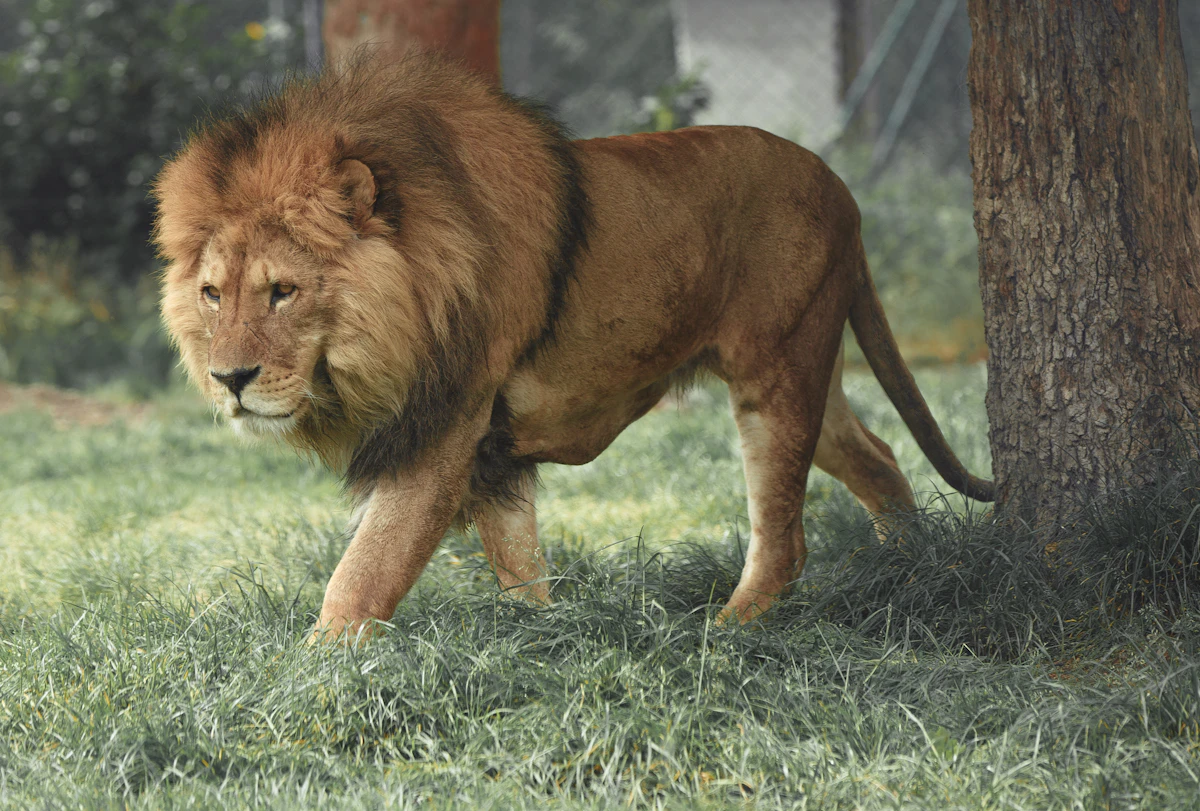
Male African lion on the golden plains
African lions reign supreme across the Masai Mara grasslands, offering incredible viewing opportunities.

Top Safari Destinations in Kenya for First-Timers

Kenya boasts over 50 national parks and reserves. For a first-time trip, we recommend focusing on these premier destinations:

🦁 Masai Mara Reserve

Famous for the Big Five, big cat density, and the Great Migration. An absolute must-visit on any first safari itinerary.

🐘 Amboseli National Park

Renowned for huge elephant herds and breathtaking views of Mount Kilimanjaro across open swampy plains.

🦩 Lake Nakuru & Naivasha

Ideal for rhino sanctuaries, bird watching, and boat safaris to spot hippos alongside Crescent Island walking safaris.

🦒 Samburu Reserve

Located in the arid north, famous for unique wildlife species like the Reticulated Giraffe, Grevy's Zebra, and Beisa Oryx.

African elephant herd roaming the natural habitat
Watching family herds of elephants navigate Kenya's iconic landscapes is a highlight for every first-time traveler.

A Day in the Life on Safari

A typical safari day follows the natural rhythm of African wildlife, capitalizing on cooler temperatures when animals are most active:

  • 06:00 AM — Morning Game Drive: Wake up to fresh coffee/tea and head out at dawn when predators are still hunting.
  • 09:00 AM — Bush Breakfast: Return to camp for a hearty breakfast or enjoy a packed breakfast surrounded by nature.
  • 12:30 PM — Lunch & Relaxation: Relax at camp during the heat of the day when animals rest in the shade. Enjoy the pool or read a book.
  • 03:30 PM — Afternoon Game Drive: As the day cools down, venture back out for game tracking.
  • 06:00 PM — Sundowners: Enjoy a classic safari tradition — sipping drinks atop a scenic viewpoint as the sun sets over the savanna.
  • 07:30 PM — Dinner & Campfire Stories: Relive the day's sightings around the campfire under starry African skies.

Essential Packing Checklist for First-Time Visitors

👕

Neutral Clothing

Pack khaki, beige, and olive green clothing. Avoid bright colors, blue, or black.

🧥

Warm Layers

Mornings and evenings are surprisingly chilly. Bring a fleece jacket and scarf.

🔭

Binoculars & Camera

A good pair of 8x42 or 10x42 binoculars makes a huge difference in wildlife spotting.

👟

Comfortable Shoes

Lightweight hiking shoes or sturdy sneakers are perfect for game drives and bush walks.

🧴

Sun Protection

High-SPF sunscreen, wide-brimmed safari hat, and UV-blocking sunglasses are mandatory.

🔌

Type G Power Adapter

Kenya uses UK-style 3-pin plugs (220-240V). Bring power banks for long drives.

Health, Visas & Practical Tips

  • eTA (Electronic Travel Authorization): All travelers entering Kenya must apply online for an eTA prior to departure via the official government portal.
  • Vaccinations & Health: Consult a travel clinic 4 to 6 weeks before travel. Yellow Fever vaccination may be required depending on your country of origin. Malaria prophylaxis is recommended for safari areas.
  • Currency & Tipping: The local currency is the Kenyan Shilling (KES), though USD is widely accepted in lodges. Tipping safari guides ($10–$20 per day) and camp staff is customary and deeply appreciated.
  • Luggage Restrictions: Bush flights between parks have strict soft-bag weight limits (typically 15 kg / 33 lbs total).

Ready to Plan Your Dream Kenya Safari?

Let the local experts at Mara Whispers Safaris design a tailored itinerary built around your budget, timeline, and travel goals. Experience Kenya with native guides who know every inch of the wild.

📞 +254 790 624 544  |  ✉️ info@marawhispersafaris.com

Request Your Free Safari Quote
The Mara Whispers