
The Masai Mara National Reserve is one of Africa’s most iconic wildlife destinations. Famous for its sprawling savannahs, high concentration of big cats, and the world-renowned Great Wildebeest Migration, the Mara offers extraordinary safari experiences year-round.
However, depending on what you want to experience—whether it is witnessing dramatic river crossings, enjoying crowd-free luxury, or capturing lush, green landscapes—timing your trip makes all the difference.
| Season | Months | Highlights | Ideal For |
|---|---|---|---|
| Peak Season | July – October | Great Migration, dramatic Mara River crossings, dry weather | First-timers, bucket-list travelers |
| Shoulder Season | Jan – Feb, June, Nov – Dec | Warm weather, great predator action, calving season, lower crowds | Photographers, balanced budgets |
| Green / Low Season | April – May | Lush green scenery, discounted luxury lodges, fewer vehicles | Budget-conscious travelers, birdwatchers |
January and February mark the short dry season in the Masai Mara. Grasses are short after the late-year rains, making wildlife easy to spot. It is also the calving season in nearby ecosystems, attracting predators actively hunting young prey.
Best for: Clear photography, warm weather, and excellent predator viewing.
March serves as a transition month. Early in the month conditions remain dry, while afternoon showers gradually begin toward the end of March. Crowds drop significantly, allowing for intimate safari encounters.
Best for: Quiet safaris, green landscapes, and shoulder-season rates.
April and May bring the "long rains." While some tracks can become muddy, this season transforms the Mara into a breathtaking emerald paradise. High-end luxury lodges offer steep discounts, and you will often have vast stretches of the reserve to yourself.
Best for: Budget travelers, landscape photographers, and birding enthusiasts.
As the rains taper off, the landscape dries out and grasses shorten. June marks the official start of the primary dry season. The first migratory herds begin moving into the southern stretches of the Mara from the Serengeti.
Best for: Great weather, moderate crowds, and catching the early migration.
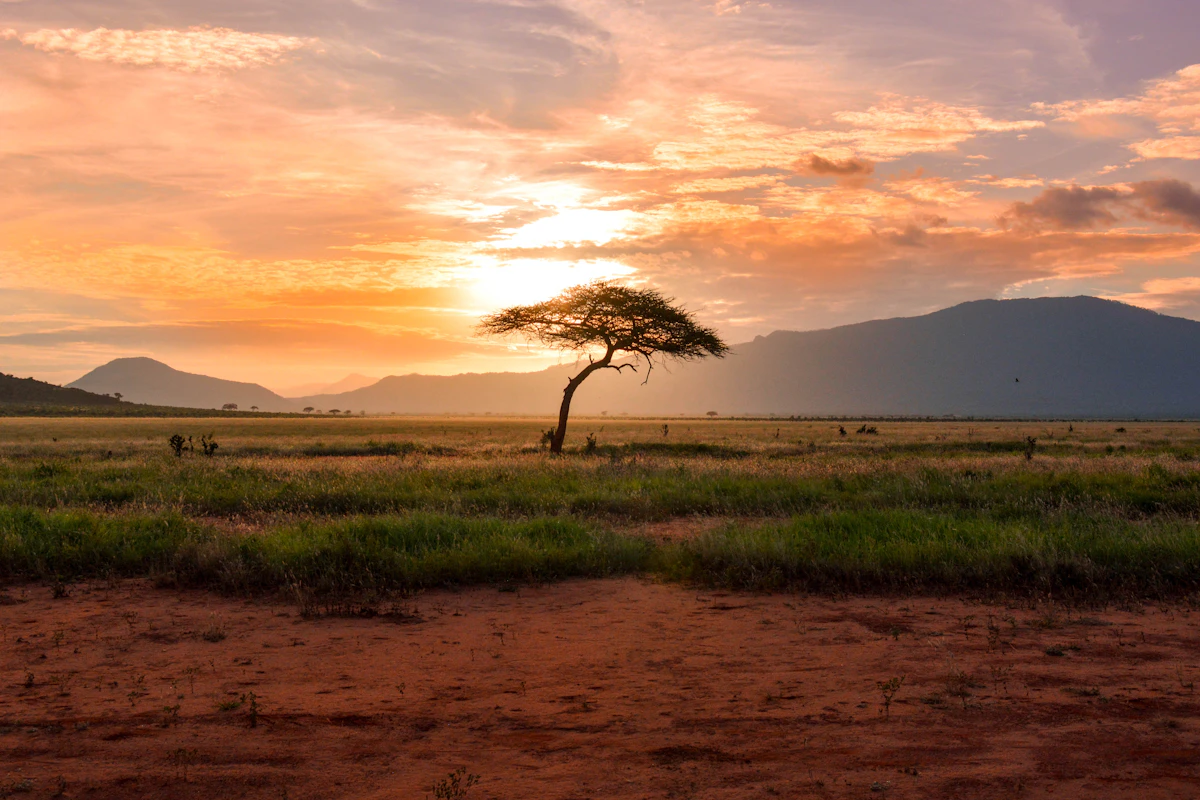
July and August represent the pinnacle of safari season in Kenya. Huge herds crowd the savannah, and the world-famous Mara River crossings take place daily. Predators—lions, leopards, hyenas, and cheetahs—take full advantage of the abundance of prey.
Best for: Witnessing the Great Migration, dramatic predator-prey dynamics, and quintessential safari action.
During September and October, the migration remains firmly rooted in the Masai Mara. With vegetation at its thinnest, visibility is exceptional. Morning and afternoon game drives yield consistent sightings of the Big Five (lion, leopard, elephant, rhino, and buffalo).
Best for: Guaranteed heavy wildlife density, easy tracking, and sunny safari days.
The "short rains" in November refresh the grasslands without disrupting game drives. By December, the skies clear up, making it a popular festive season destination for holiday safari breaks.
Best for: Festive family vacations, birdwatching, and pleasant weather.
Whether you dream of standing on the banks of the Mara River during the Great Migration or enjoying an exclusive game drive across quiet open plains, Mara Whisper Safaris crafts custom, unforgettable Kenyan safari itineraries.
